Every product starts as an idea, and every idea needs a physical part before it can be tested, shown to a customer, or put into production. Rapid prototyping is how you get that part quickly: instead of waiting weeks for tooling, you can hold a prototype in your hands in a matter of days. This guide explains what rapid prototyping services do, which technologies are available, and how to choose the right one for your project.
What Is Rapid Prototyping?
Rapid prototyping is the fast creation of a physical model of a design, directly from a 3D file, without production tooling. The prototype is used to check the shape, the fit, the function and the look of a part before committing to a mold or a production run.
It is not one single technology. It is a set of processes — 3D printing, CNC machining, sheet metal fabrication and rapid tooling — and the right choice depends on what you want the prototype to prove.
Benefits of Rapid Prototyping
- Faster turnaround. You can go from a design file to a physical prototype in days instead of weeks or months. That speed shortens the whole product development cycle.
- Cost savings. Prototyping catches design mistakes before tooling is cut. Changing a 3D file costs almost nothing; changing a steel mold costs thousands. It also avoids the cost of tooling altogether for one-off and small-batch parts.
- Real testing. A prototype lets you test how a part fits with other parts, how it feels in the hand, and whether it survives the loads it will see in use — things no screen render can tell you.
- Better decisions. A physical part makes design reviews concrete. Engineers, customers and investors can all react to the same object, which ends arguments that a drawing never settles.
Types of Rapid Prototyping Technologies
3D Printing
3D printing builds a part layer by layer from plastic, metal or resin. It is the fastest option for complex shapes that would be hard or impossible to machine, and it needs no tooling at all. Its limits are material choice and strength: printed parts are usually weaker than machined or molded parts, so they suit visual models and fit checks better than functional testing under load.
CNC Machining
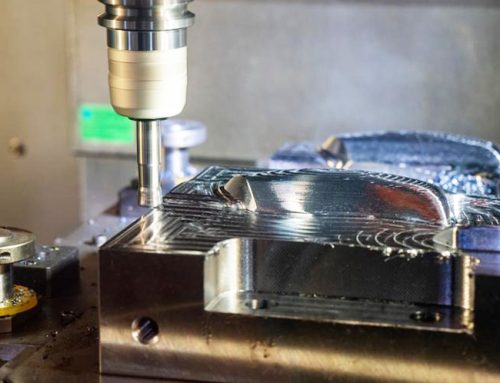
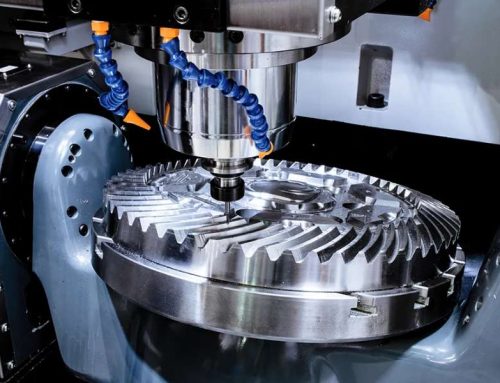
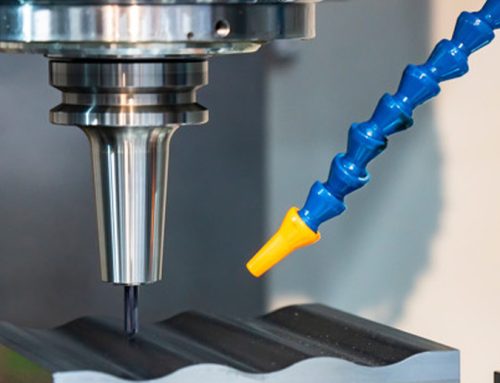
CNC machining cuts a prototype from a solid block of the real material — aluminium, steel, plastic or copper — using a computer-controlled cutting tool. The result is a strong, accurate part in the actual production material, with tight tolerances. It is the best choice when the prototype must work like the final part, and when you need to test strength, fit or heat resistance.
Sheet Metal Prototyping
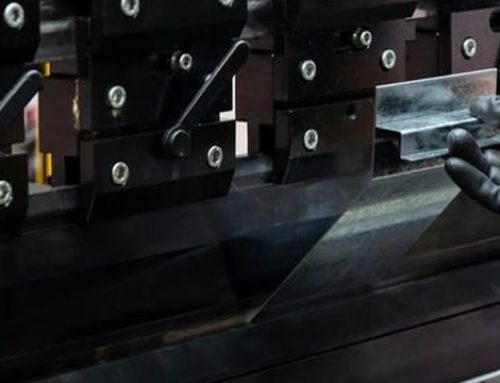
For enclosures, brackets, chassis and panels, sheet metal prototyping cuts, bends and punches flat metal sheet into a finished part in days, with no tooling and no minimum order. See our guide to sheet metal fabrication for the full process.
Injection Molding with Rapid Tooling
When you need real injection-molded plastic parts in the actual production material, rapid tooling is the answer: an aluminum mold is machined quickly and used to mould a small batch of parts. It costs far less than a steel production mold and is fast enough for prototypes and bridge production. See our guide to aluminum rapid tooling for when it makes sense.
How to Choose the Right Technology
Match the process to what the prototype has to prove:
- Looks and fit: 3D printing is usually enough, and it is the fastest.
- Strength and function: CNC machining, in the real material.
- Sheet metal parts: sheet metal prototyping, with the same processes as production.
- Plastic parts in production material: rapid tooling with an aluminum mold.
- Several parts to test together: use the same process for all of them, so the results are comparable.
Also consider quantity. One or two pieces point to 3D printing or CNC machining. Tens or hundreds of plastic parts point to rapid tooling. And consider lead time: CNC and sheet metal prototypes typically take 5–10 days, while a rapid tooling mold takes a little longer because the mold itself must be made first.
Choosing the Right Rapid Prototyping Service
Before you send a file, check four things:
- Processes in-house. A supplier that offers CNC machining, sheet metal and rapid tooling under one roof can recommend the right process instead of selling you the only one they have.
- Materials. Make sure the supplier can work in the material your final product will use, so the prototype tests the real thing.
- Lead time and communication. A good supplier answers questions about your drawing before quoting, confirms the process and the delivery date, and keeps you updated while the part is being made.
- Price — but not price alone. The cheapest quote is not the best if it uses the wrong process or the wrong material. Compare what each quote includes: material, tolerance, finish, quantity and delivery time.
From Idea to Real Part
Rapid prototyping turns an idea into something you can hold, test and improve — in days, not months. Pick the technology that matches what you need to prove, pick a supplier who can do more than one process, and fix the design while changes are still cheap.
If you have a design ready, send your 3D file and tell us what the prototype needs to prove. Request a quote from Dexin CNC — upload your drawing in STEP or IGES format, and we will reply within 24 hours.