Aluminum rapid tooling is a way to make plastic parts quickly and cost-effectively: a mold is machined from aluminum, usually by CNC machining, and then used to injection-mold plastic parts. It sits between 3D printing and full steel production tooling — faster and cheaper than a steel mold, and far more durable than a 3D-printed mold. This guide explains what it is, how it works, when it makes sense, and when it does not.
What Is Aluminum Rapid Tooling?
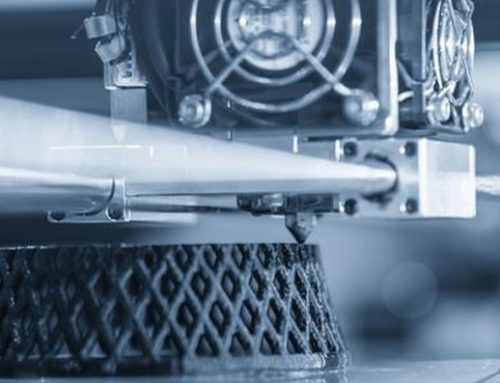
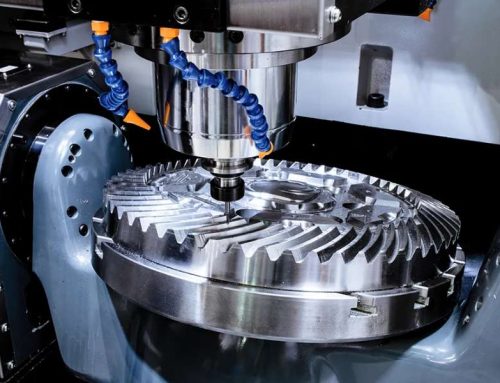
Aluminum rapid tooling is a process that uses aluminum molds to create plastic parts. The molds are made from aluminum, a material that is light, easy to machine, and able to withstand the temperatures and pressures of injection molding. The molds are typically created using CNC machining, sometimes combined with 3D printing for complex inserts.
The idea is simple. A steel production mold is expensive and slow to make, which is fine when you will mould hundreds of thousands of parts from it. But when you need a few hundred or a few thousand parts — to test a product, to launch a small batch, or to bridge the gap while a production mold is being built — an aluminum mold gets you real injection-molded parts in a fraction of the time and cost.
How Does Aluminum Rapid Tooling Work?
The process has four steps:
- 3D model. Everything starts with a 3D model of the plastic part. The model is used to design the mold, including the cavity, the cores, the cooling channels and the ejector system.
- Mold design. The mold is designed from the part model, with draft angles and wall thickness checked so the part releases cleanly from the mold.
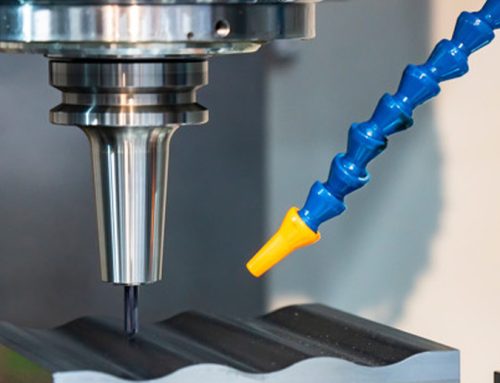
- Mold making. A CNC machine carves the mold out of a block of aluminum, following the mold design precisely. Because aluminum is much softer than tool steel, this step is fast — days instead of weeks.
- Injection molding. Plastic material is injected into the mold cavity, cools and solidifies, and the finished part is ejected. The same mold is used again for the next part, and the next, until the run is complete.
An aluminum mold can typically produce thousands of parts, which is more than enough for prototyping, product testing and low-volume production.
Benefits of Aluminum Rapid Tooling
- Faster turnaround. An aluminum mold can be machined in days, where a steel mold takes weeks. That speed gets products to market faster and shortens the testing cycle.
- Cost savings. Aluminum is cheaper than tool steel, and it machines much faster, so the mold costs far less. For small to medium-sized runs, that makes the per-part cost very competitive.
- Design flexibility. Because the mold is quick and cheap to make, it is easy to change the design and cut a revised mold. That makes aluminum rapid tooling a good fit for products that are still being iterated.
- High-quality parts. Aluminum molds are precise, and the parts they produce are real injection-molded parts — same material, same process, same properties as the final production part. That makes them suitable for functional testing, not just for looks.
- Durability. Aluminum molds last far longer than 3D-printed molds, so one mold can cover a whole test run or a low-volume production batch without being replaced.
Aluminum vs Steel Molds
Steel molds are harder, last longer and hold tighter tolerances, and they are the right choice for very high volumes — hundreds of thousands of parts or more. Aluminum molds are cheaper and faster, and they are the right choice for lower volumes, faster delivery and designs that may still change.
A simple way to decide: if you need more than about 10,000 parts, or the part is made from a glass-filled or otherwise abrasive plastic that would wear an aluminum mold quickly, ask about a steel mold. For anything below that, aluminum rapid tooling is usually the better value.
When to Use Aluminum Rapid Tooling
Aluminum rapid tooling fits best in four situations:
- Prototyping and functional testing. Real injection-molded parts for testing fit, function and assembly.
- Bridge production. Parts to sell while the production steel mold is still being built.
- Low-volume production. Runs of a few hundred to a few thousand parts, where a steel mold would never pay for itself.
- Market testing. A small batch to test demand before committing to full production tooling.
It is not the right choice for very high volumes, for parts that need extremely tight tolerances over a long production run, or for materials that are highly abrasive to the mold.
Design Tips for Rapid Tooling
A few habits make rapid tooling work better:
- Add draft angles. Walls that are slightly tapered release from the mold cleanly. Without draft, parts stick and get damaged on ejection.
- Keep wall thickness even. Uneven walls cool at different rates, which causes warping and sink marks.
- Avoid undercuts where possible. Undercuts need extra mold features that add cost and time. If an undercut is essential, discuss it with the supplier before the mold is designed.
- Think about the gate location. The gate is where the plastic enters the mold, and its position affects how the part fills and where the visible mark is left.
Is Aluminum Rapid Tooling Right for You?
Aluminum rapid tooling gives you real injection-molded parts quickly and at a reasonable cost. It is the practical choice for prototypes, bridge production and low-volume runs, where a steel mold would be too slow and too expensive. If your design is settled and your volume is low, it is often the fastest way from a 3D model to parts in hand.
If you have a plastic part in mind, send your 3D model and tell us the quantity and the material. Request a quote from Dexin CNC — upload your drawing in STEP or IGES format, and we will reply within 24 hours.