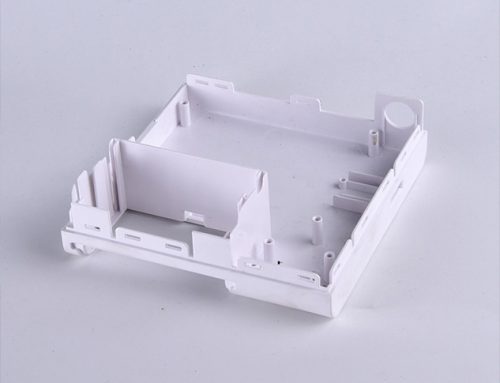
From automobiles and home appliances to phones and computers, molds are the foundation of modern manufacturing. A mold is a hollow tool that shapes material — plastic, metal or rubber — into a part, over and over again, with the same shape every time. The key factor in mold quality is the mold material and how precisely the mold is made. This article shows which everyday products are made with molds, and how.
Automotive Parts
Cars are the clearest example of how much of modern life depends on molds. The proportion of different materials in a car’s mass is called the material composition ratio. Automobiles are made of ordinary steel, special steel, cast iron, non-ferrous metals, plastics and other non-metallic materials, and the share of aluminium and plastics keeps growing as cars get lighter to save fuel.
Almost every part of a car is shaped by a mold or a die of some kind:
- Body and chassis: the chassis and frame are stamped from steel sheet, increasingly high-strength steel, in large stamping dies. Doors, hoods and trunk lids are stamped the same way.
- Engine: the cylinder block is cast iron or aluminium alloy, made by casting or die casting. The cylinder head is an aluminium die casting. Connecting rods and crankshafts are hot-forged from carbon steel.
- Transmission: gears and shafts are machined from case-hardened steel, sometimes cold-forged. Constant velocity joints are forgings.
- Interior and exterior trim: bumpers, headlights, instrument panels and interior trim are injection-molded from plastic. Covers, clips and connectors inside the car are often plastic too, while gears and pinions are usually metal.
Home Appliances and Electronics
Look around your home and you will see molded parts everywhere. The casings of mobile phones, computers and televisions are mostly injection-molded from polycarbonate (PC) and other engineering plastics, while some parts use magnesium alloy or composite materials. Computer keyboards are plastic products, too.
Inside a phone, the light guide plate that spreads light evenly across the display is injection-molded from acrylic (PMMA) in a mirror-polished mold — the display panel itself is not molded, but the plate that lights it is. Television bodies are either aluminium alloy die castings or injection-molded plastic. From morning to night, most of the products we touch are shaped by a mold.
Medical, Packaging and Everyday Products
Beyond cars and electronics, molds make medical device housings, syringes and containers, bottle caps and packaging, toys, kitchen equipment, office equipment and garden tools. Any product that must be made in large numbers, with the same shape every time, is a candidate for molding. Injection molding is the usual process for plastic parts, die casting for metal parts, and stamping for sheet metal parts.
Why Molds Matter for Mass Production
A mold is expensive to make, but once it exists, each part it produces is fast and cheap. That is why molding dominates mass production: the cost of the mold is spread over thousands or millions of identical parts. The trade-off is that the part must be designed for molding — with draft angles, even wall thickness and rounded corners — or it will not release from the mold cleanly. Our guide to 10 geometry tips for plastic part design explains what to watch for. And when you only need a small batch of molded parts, aluminum rapid tooling is a faster, cheaper alternative to a full steel mold.
From Mold to Everyday Product
Molds make the modern world: car bodies and engines, phone and TV casings, medical devices, packaging and toys. If a product is made in large numbers and looks the same every time, a mold almost certainly made it. If you have a product in mind and want to know whether molding is the right process for it, send your drawing and ask.
Request a quote from Dexin CNC — upload your drawing in STEP or IGES format, and we will reply within 24 hours.